Laser Spy: Acoustic Localization via Reflected Laser
An undergraduate optical-design build—silicon photovoltaics, dual-channel ADC, and a LabVIEW pipeline for waveform separation, time-delay estimation, and acoustic source localization, all from laser light reflected off a vibrating window. Won 1st prize at the National Optoelectronic Design Competition.
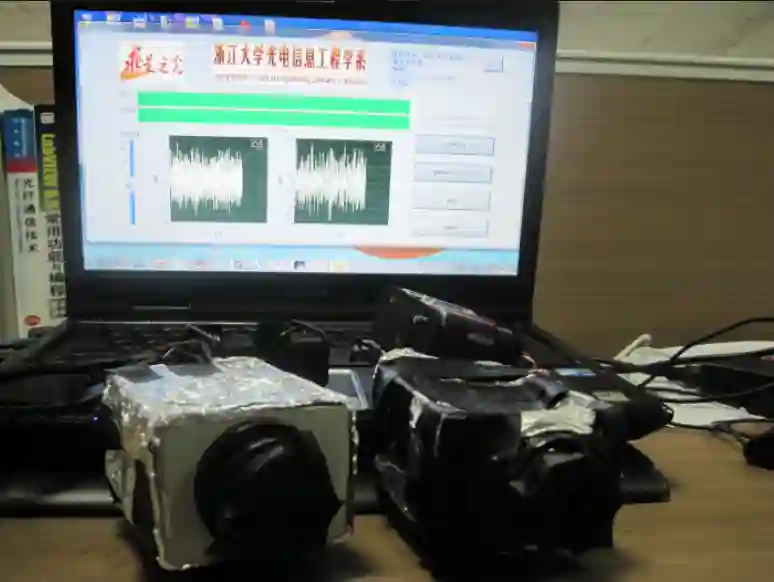
An undergraduate optical-design competition build — silicon photovoltaics, dual-channel ADC, and a LabVIEW pipeline for waveform separation, time-delay estimation, and acoustic source localization, all from laser light reflected off a vibrating window. Awarded the sole 1st prize at the National Undergraduate Optoelectronic Design Competition.
Problem
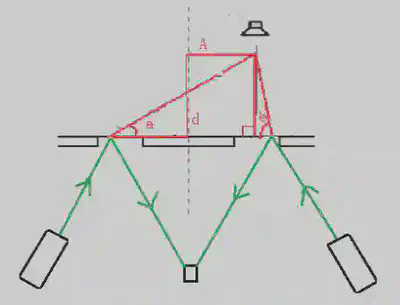
Design a system that uses optical detection to (1) recover sound emitted inside a closed room from the laser light reflected off a vibrating window, and (2) localize the source of the sound from two receivers.
Solution
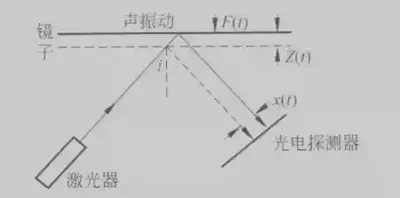
The signal chain is sound → light → micro-electrical → amplified → speaker output, with a two-channel DSP pipeline for delay estimation and localization.
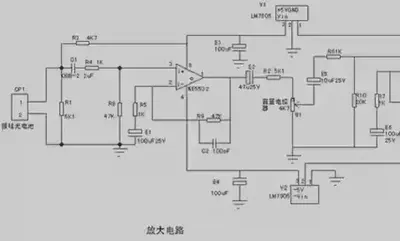
- Hardware — silicon photovoltaic detector (Wuhan Bosheng G0606M-I); NE5532 op-amp filter; LM7805/LM7905 voltage regulation; 2.2W stereo audio power amplifier.
- ADC — M-Audio MobilePre USB sound card (dual-channel).
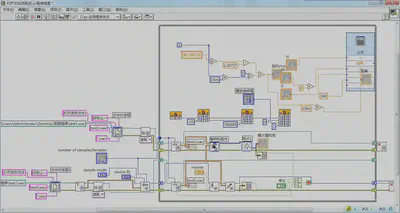
- Software — LabVIEW pipeline: dual-channel acquisition → waveform decomposition → playback → time-delay estimation → localization.